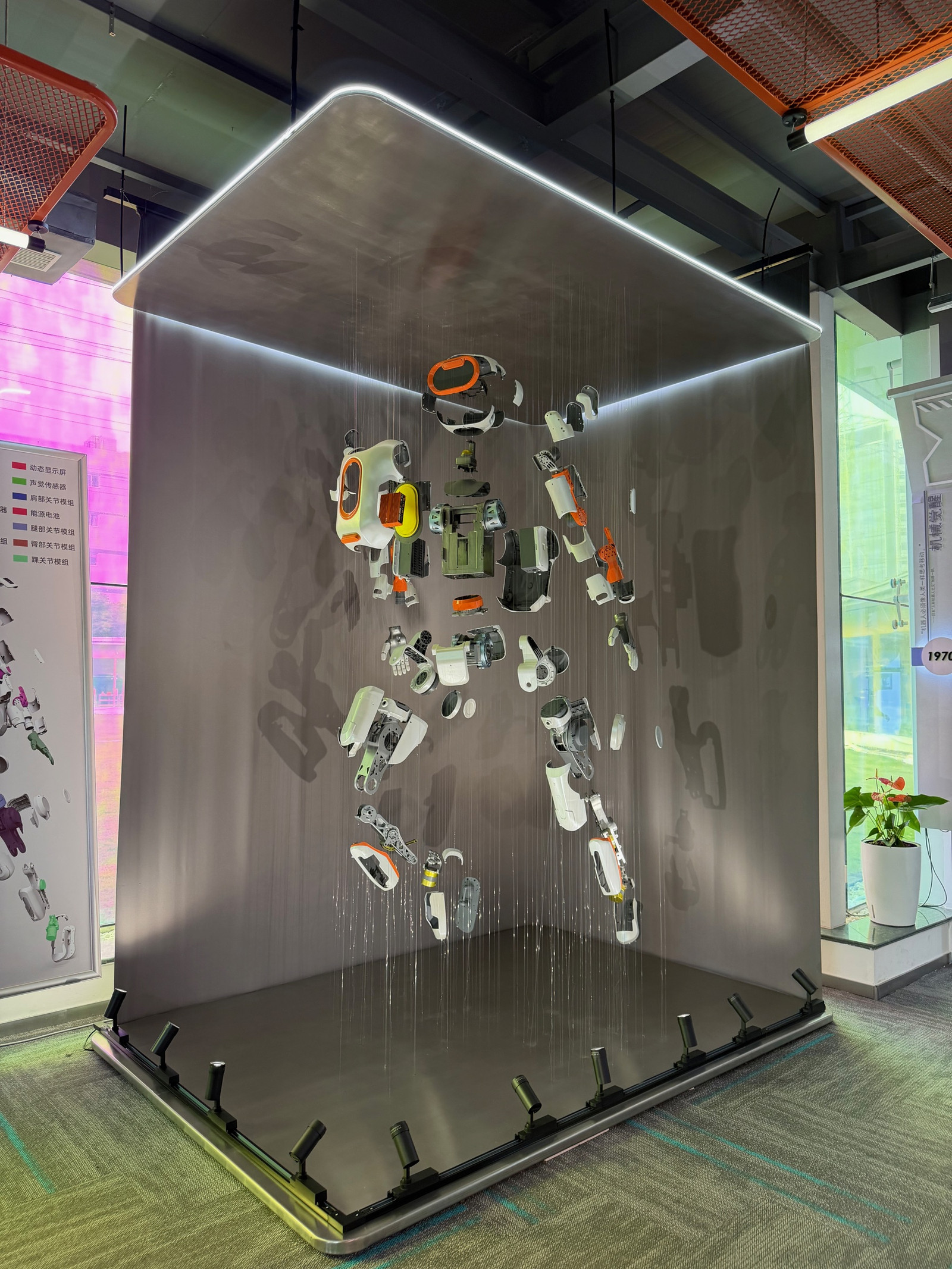
Lead story
China’s Humanoid Race Is Really a Data Race. I Saw It in Shanghai
The robots get the headlines. The scarce input is the data that teaches them to act, and a slide at a Shanghai incubator made that clearer than any demo.
An operator’s view of humanoid robots and physical AI
The robots get the headlines. The scarce input is the data that teaches them to act, and a slide at a Shanghai incubator made that clearer than any demo.
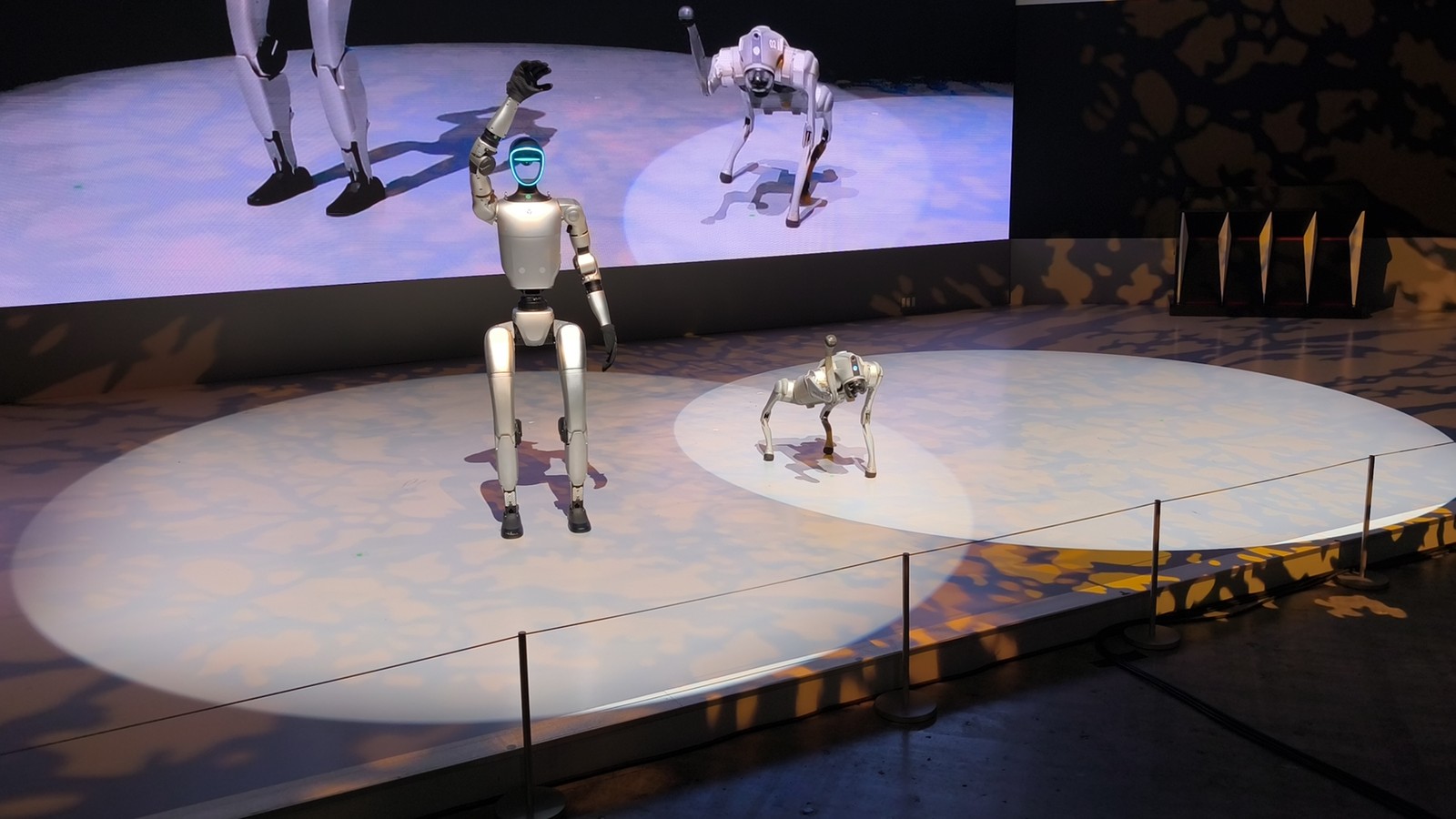
The deployments that looked real were on wheels and wings: Westwell, which automates ports, and Meituan drones to a kiosk. Humanoids get the headlines. These are the deployments.
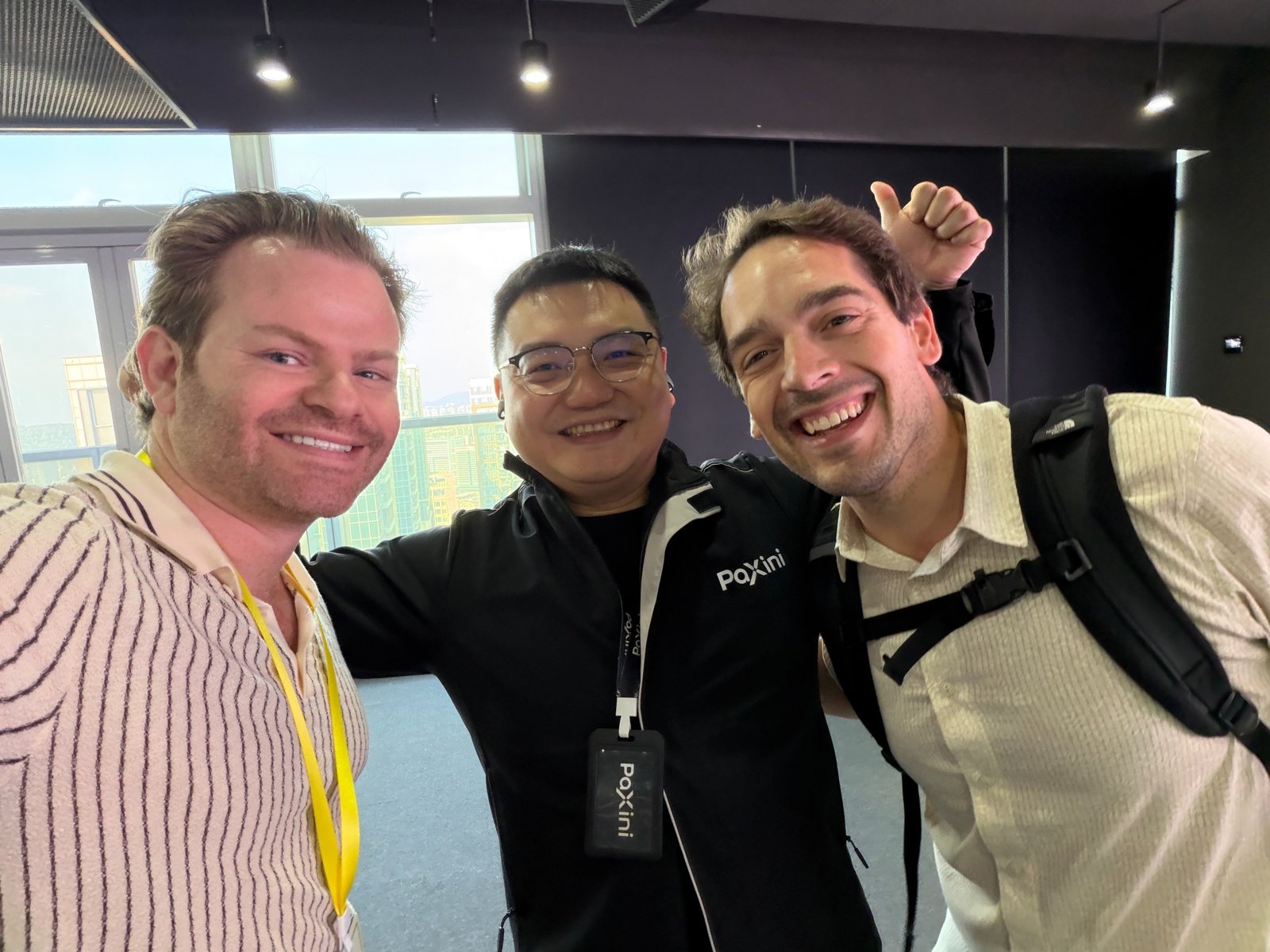
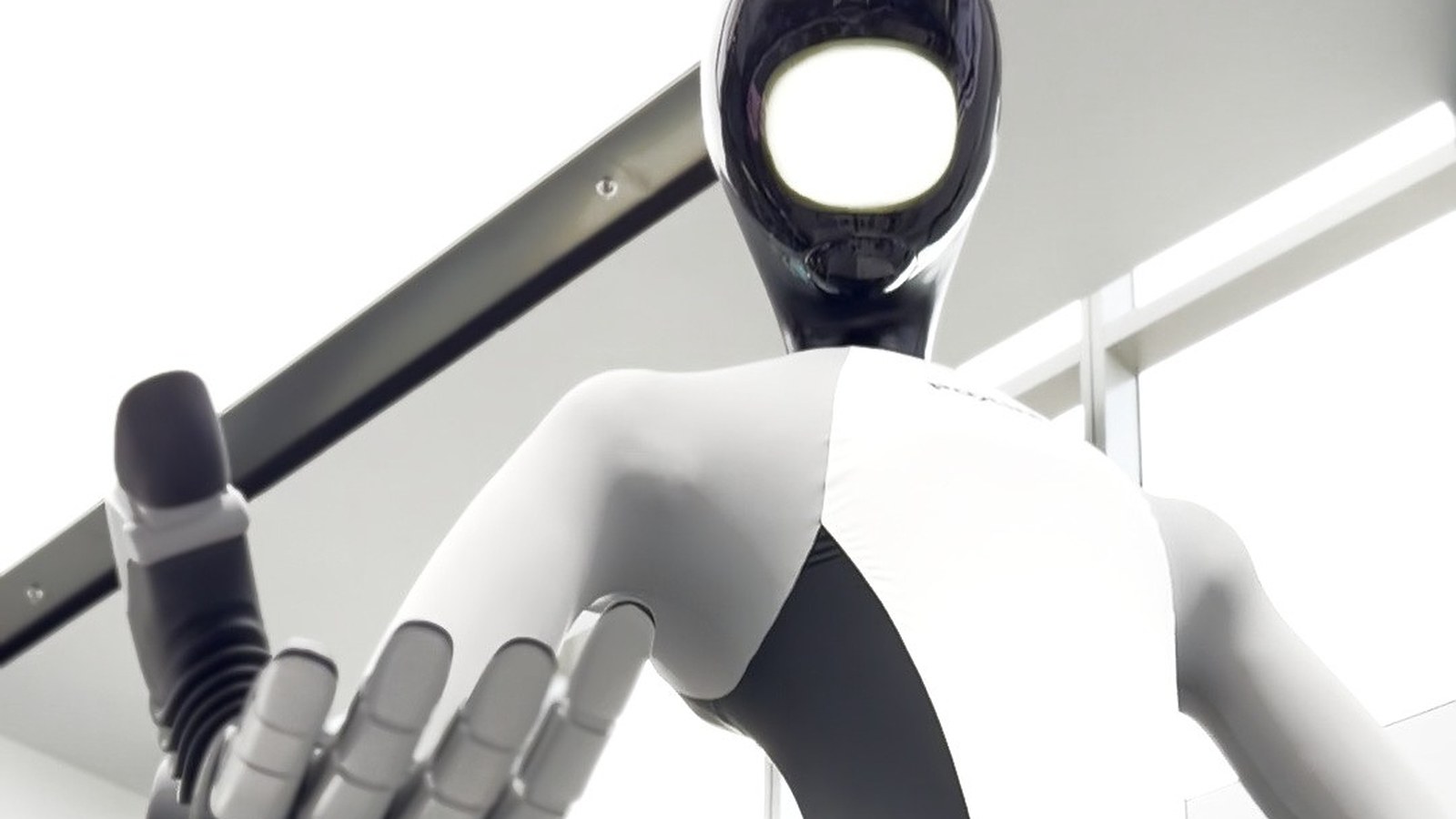
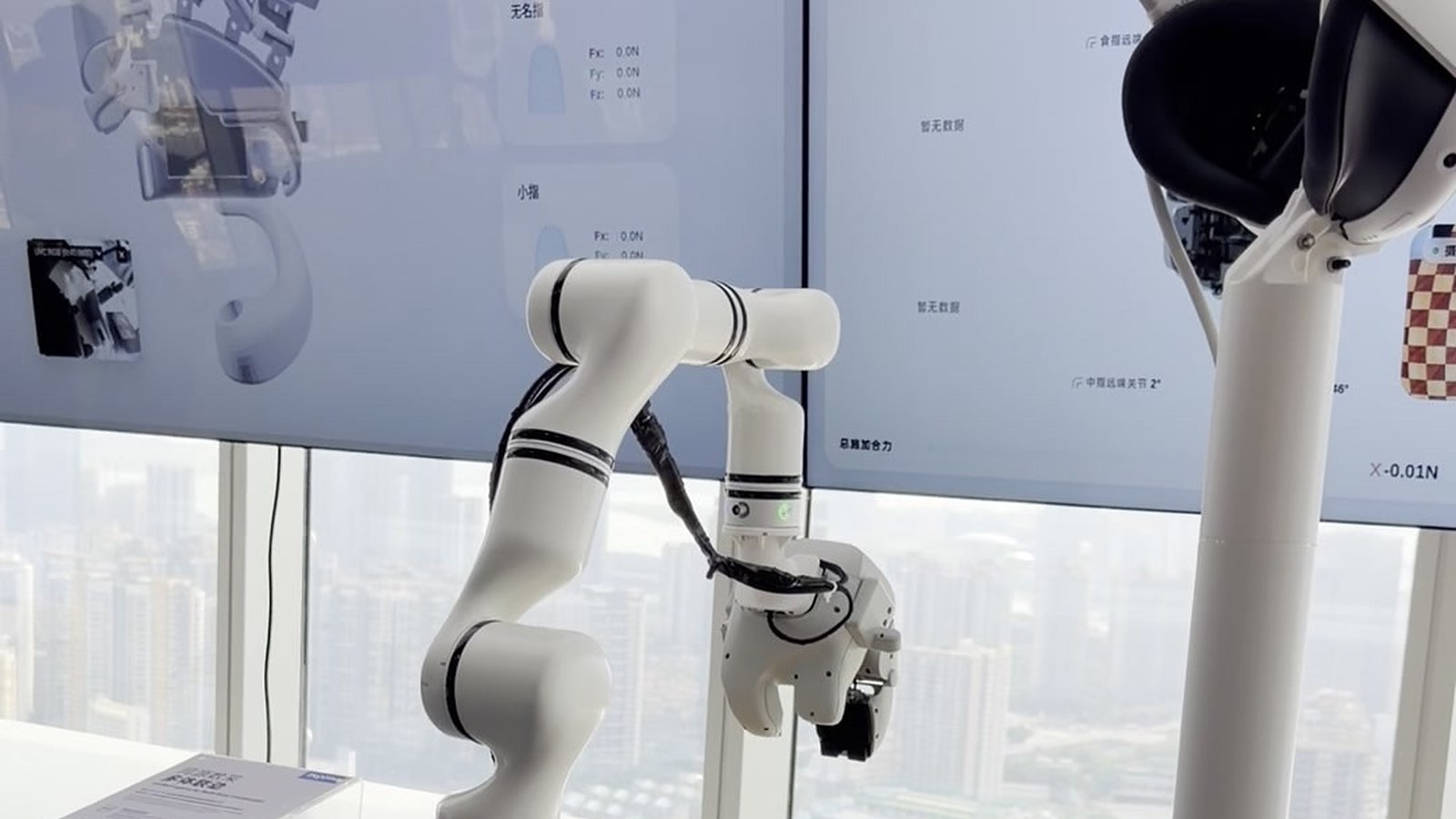
PaXini was the highlight of the trip. The hands I was shown could feel texture, very light force, survive a knife cut, and count contacts in one pass. They want to sell that technology to other robot makers, not to the public.
Vendors publish shipments and hours logged, not payback. Here’s a simple, open cost-per-useful-hour model. Every input is sourced or labeled as an assumption, and open to correction.